Loading
Loading page
Loading
Loading page
Labs · AI-assisted build
I directed an AI coding agent from a floor plan to an editable 3D model and a browser walkthrough. Plain-language feedback shaped the rooms, the materials, the light and the interface over successive passes.
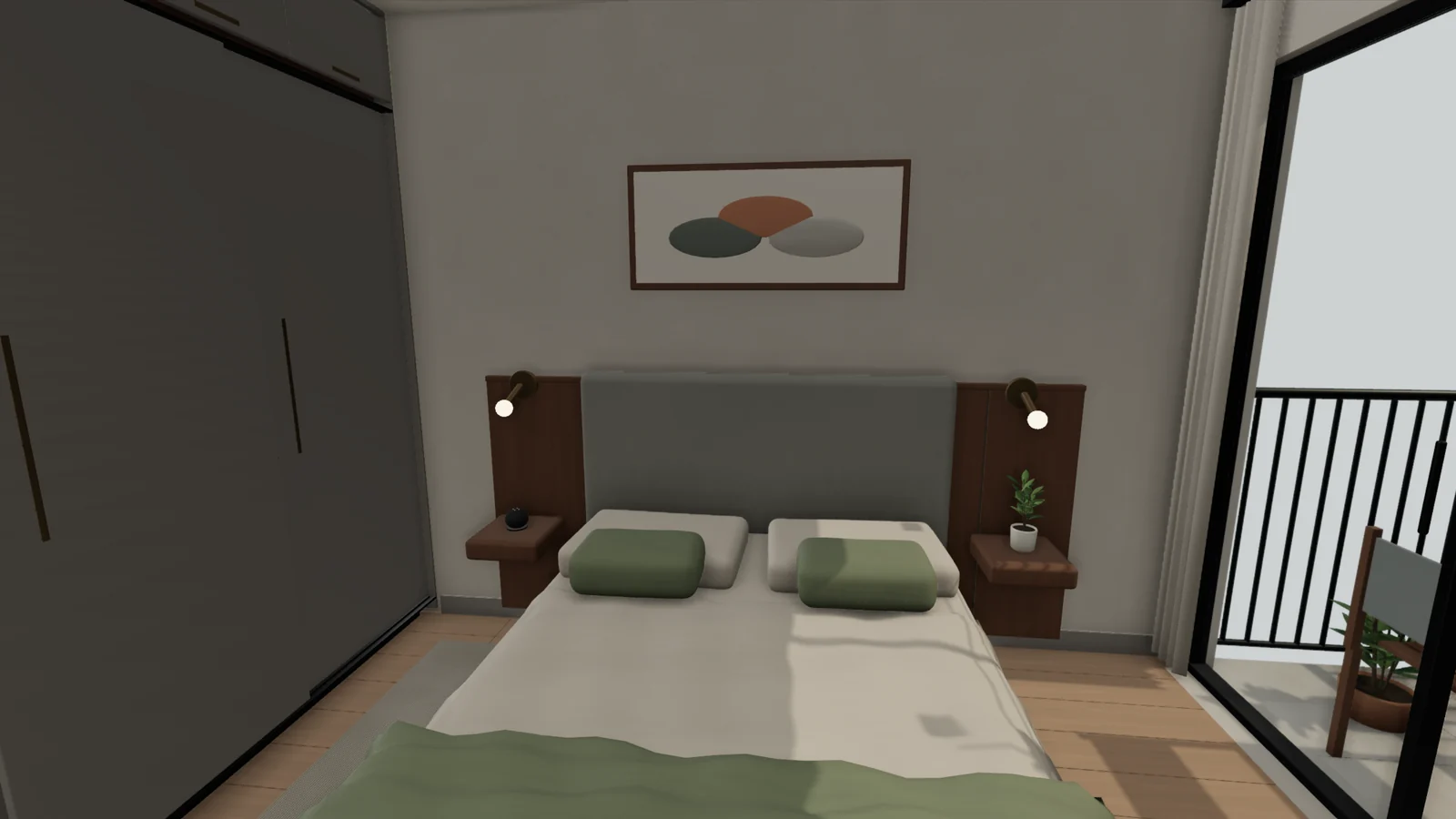
Choose a room, compare four finish palettes, switch between daylight and evening lights, and try the furniture options.
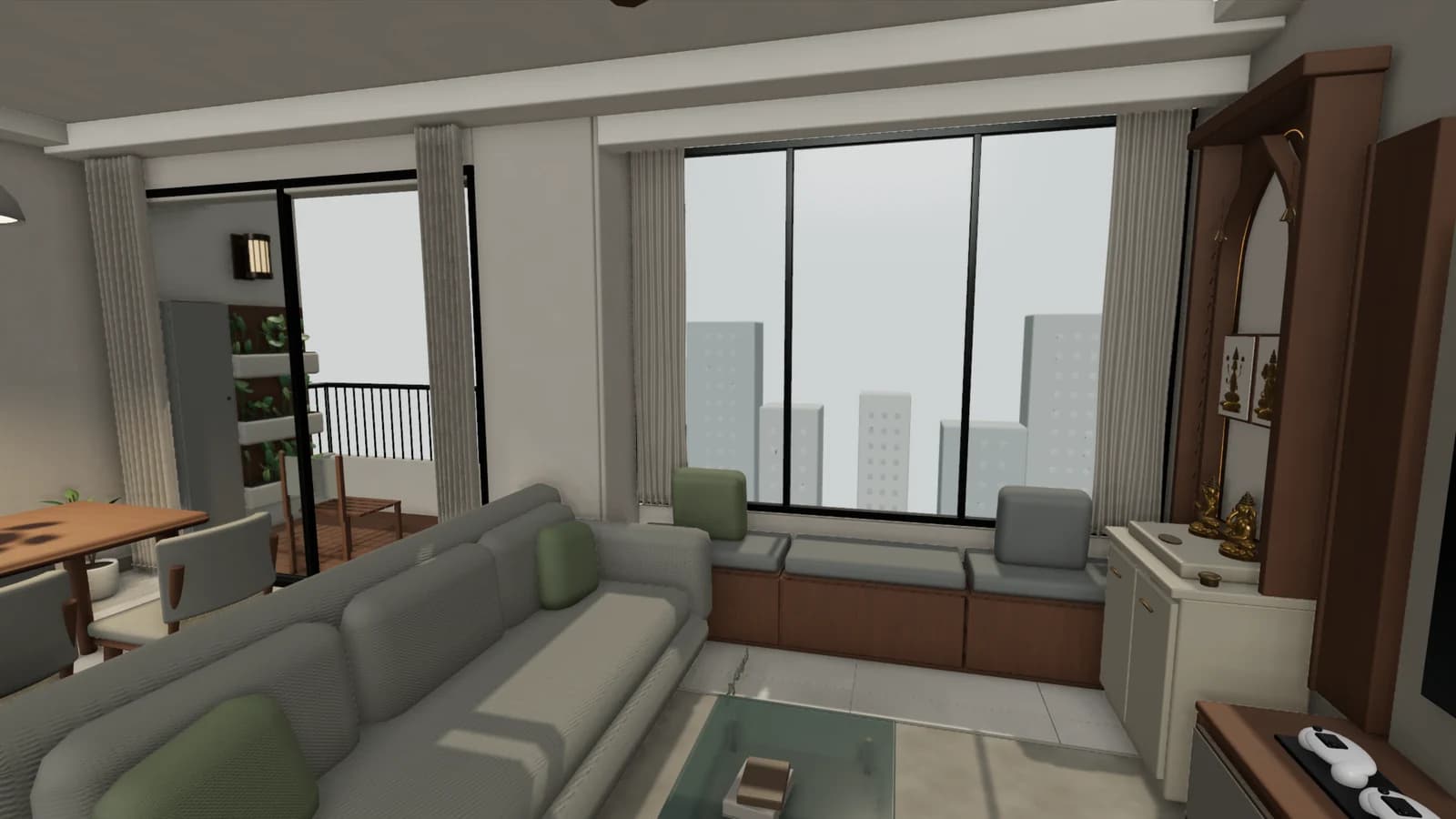
Turn a plan into a scene that can be explored and corrected, rather than stopping at a single illustration. Keep the model editable, make every room easy to reach, and expose the trade-offs behind each visual choice.
The starting point was a spatial brief. I reviewed each model and asked for changes to arrangement, storage, materials, light and the way the viewer presented them.
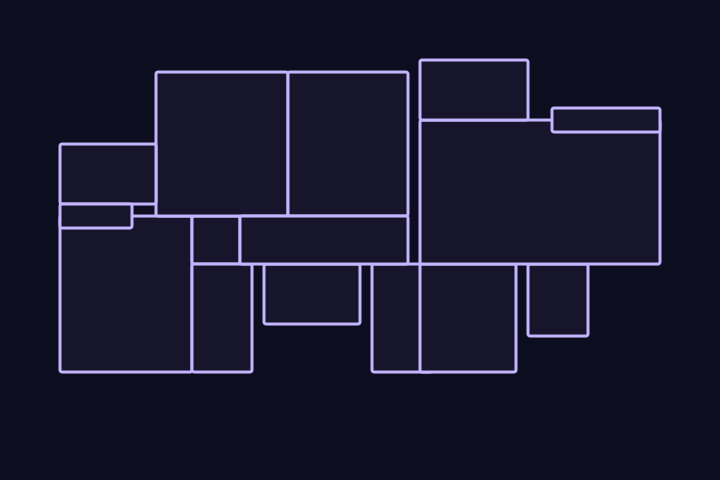
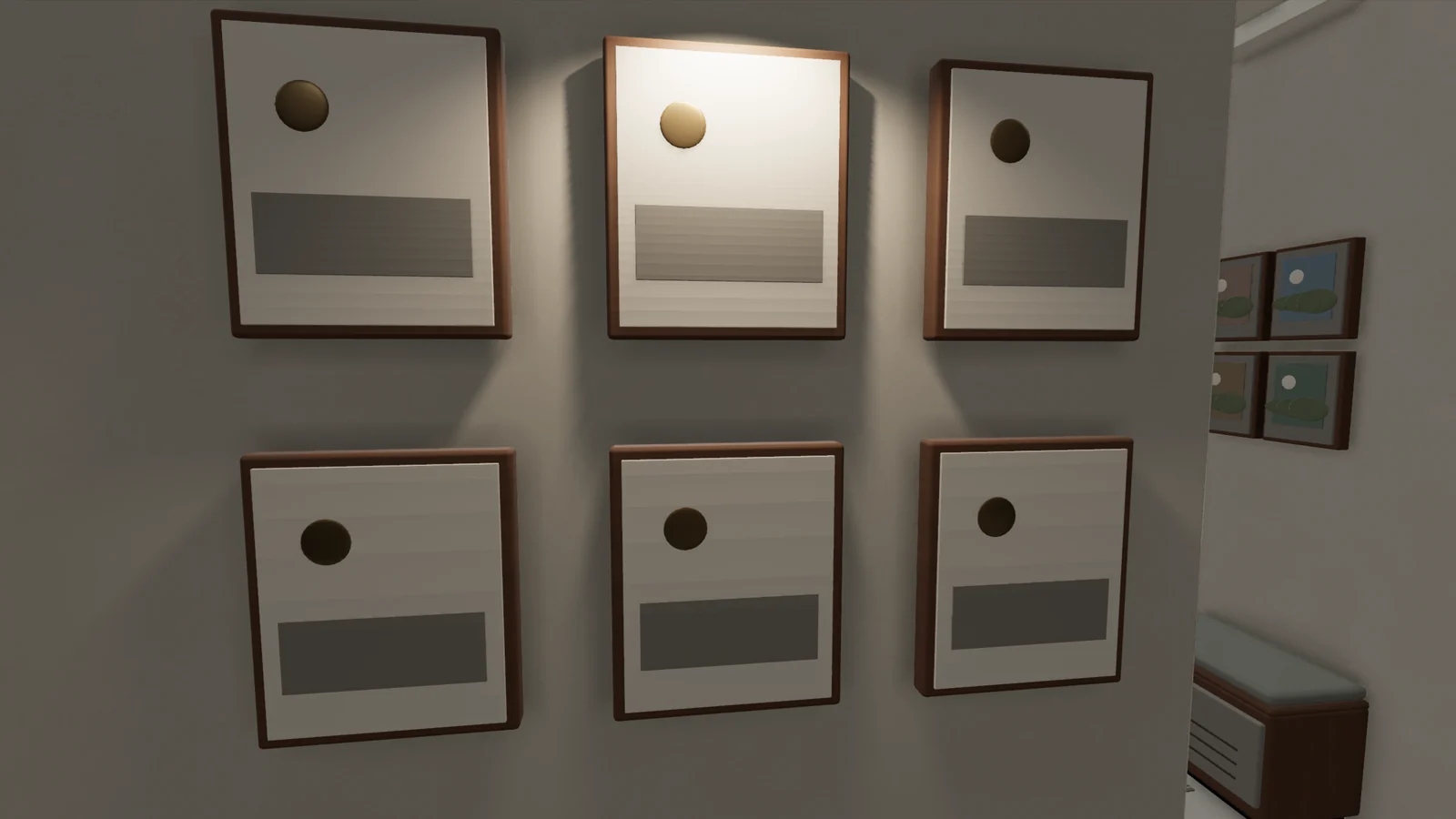
The early concept developed into modeled geometry and authored materials, so a change could be made in the model rather than painted onto an image. Room models and storage studies followed, each pass rendered so it could be inspected.
I asked for clearer access, more useful furniture arrangements and quieter finishes. Comparisons exposed space conflicts instead of forcing a fit, and a redundant wall face that left a dark strip in renders was removed.
Daylight, room fixtures, soft shadows and ambient occlusion were tuned for real-time rendering. Native renders and browser lighting follow different paths, so each was checked on its own terms.
Room arrivals, camera framing and navigation had their own revisions. I asked for unobstructed views and simpler controls, with longer notes gathered into one place instead of repeated across the screen.
The useful loop was specific direction, a model I could inspect, and a correction based on what it showed. The agent handled modeling and browser code; I set priorities and challenged the results.
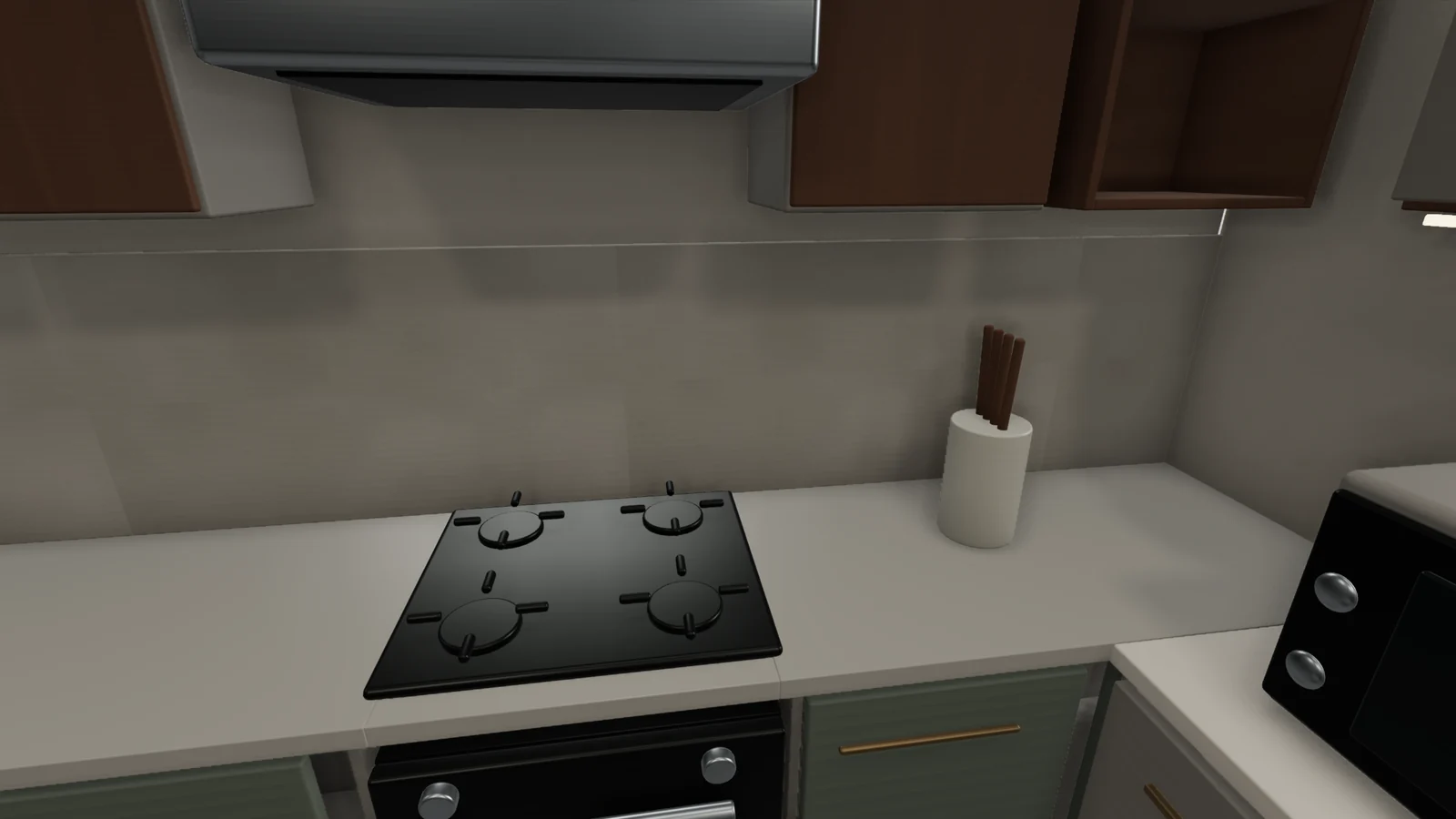
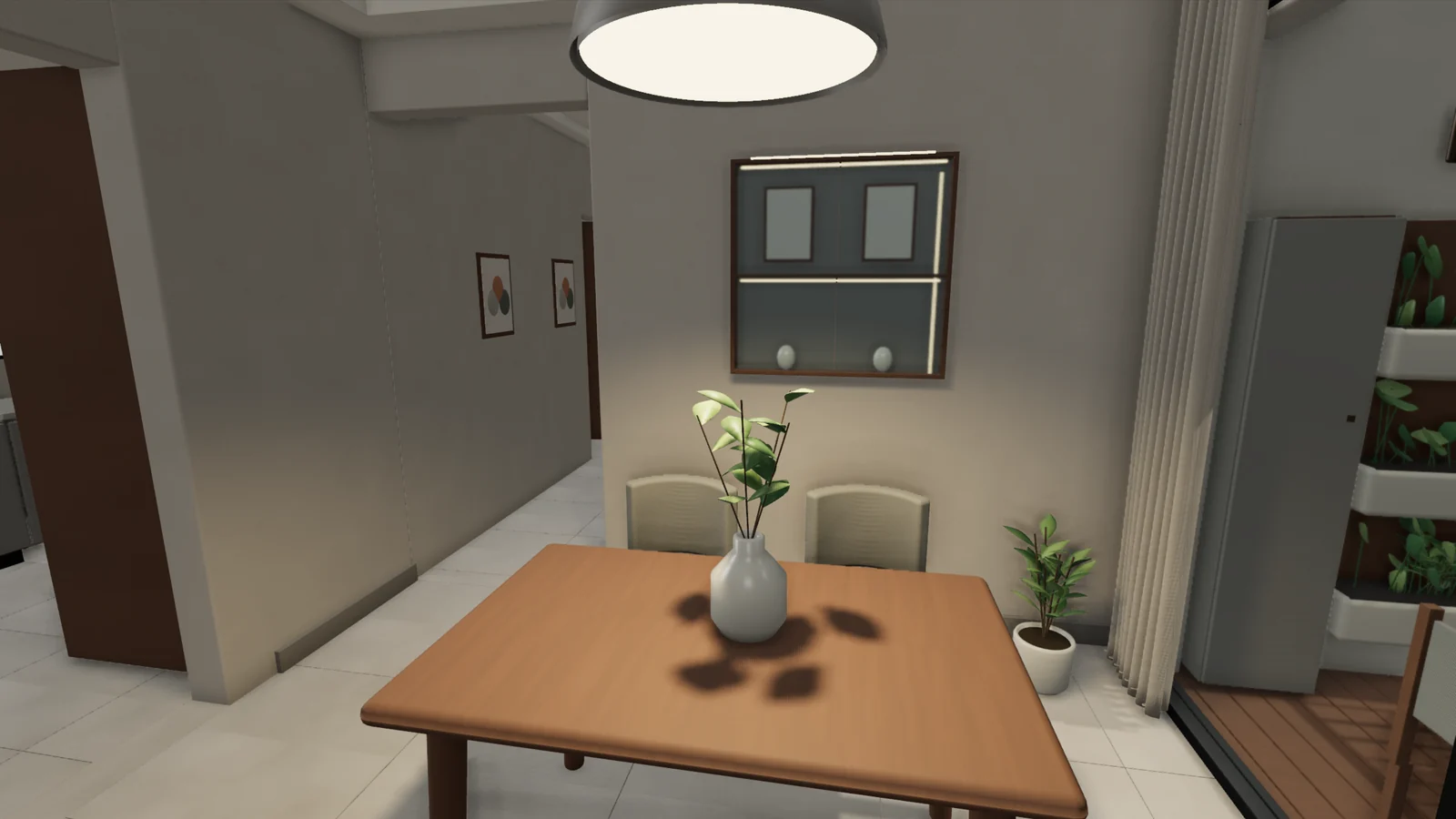
Room views, movement limits, load failures, keyboard and touch controls, and reduced motion are checked as software.
The scene uses compressed geometry and newly generated procedural textures. Browser lighting is an approximation of the modeled light, so appearance can differ between devices.